

Table of Contents
- What Makes High Quality Cotton Shirts Different
- How to Identify High Quality Cotton
- Cotton vs Polyester Durability: Why It Matters
- The Real Economics: Cost-Per-Wear Analysis
- How to Wash Graphic Tees Correctly
- Comfort, Breathability, and Longevity Benefits
- Sustainable and Ethical Considerations
- Frequently Asked Questions
Last Updated: September 29, 2026
What Makes High Quality Cotton Shirts Different
When you invest in high quality cotton shirts, you're purchasing durability, comfort, and longevity that separates premium garments from fast fashion alternatives. The difference comes down to fiber quality, construction methods, and manufacturing care.
Staple length refers to the length of individual cotton fibers. Long-staple cotton (1.25 inches or longer) creates stronger, softer fabrics that resist pilling and last significantly longer than standard cotton.
Fabric weight, measured in grams per square meter (GSM), directly impacts durability. Heavier fabrics resist wear better and maintain structure through washing. Lighter fabrics thin out faster and show wear sooner.
Weave type also matters. Jersey knit offers comfort and breathability. Pique weaves hold their shape better. The tighter the weave, the more durable the garment.
How to Identify High Quality Cotton
Identifying high quality cotton shirts requires understanding label information and technical specifications that determine garment performance.
Technical Specifications That Indicate Quality
Fiber staple length is a reliable quality indicator. Long-staple cotton produces softer, stronger fabrics that resist pilling. Standard-grade cotton deteriorates faster. Look for specific staple length claims or premium varieties like Pima or Egyptian cotton. Generic "100% cotton" without staple length specification indicates standard-grade fiber.
Fabric weight (GSM) directly predicts durability. Shirts under 140 GSM show wear patterns within months. Shirts above 220 GSM may feel stiff. Check product descriptions for GSM specifications; reputable manufacturers list this metric.
Weave type affects durability and comfort. Jersey knit offers comfort but is less durable than tighter weaves. Pique weaves hold their shape better. Interlock weaves produce denser, more durable fabric. The tighter the weave, the more resistant the garment is to deterioration.
Reading Labels and Certifications
The label provides crucial information about fiber quality. Genuine high quality cotton shirts specify the cotton type: Pima, Egyptian, or long-staple varieties. Look for "combed cotton," which removes short fibers and impurities, dramatically improving softness, durability, and colorfastness.
Check for construction details that indicate quality manufacturing. Quality producers mention reinforced seams, double-stitching at stress points (underarms, shoulders, side seams), and shoulder tape. These details prevent common failures: seams splitting, shoulders stretching, and necklines distorting.
Spotting Greenwashing in Cotton Marketing
Greenwashing occurs when brands use environmental language without substantive practices or third-party verification. Phrases like "eco-friendly" and "sustainable" mean nothing without certification. Ask whether the cotton is certified organic and whether the manufacturer provides transparency about labor practices.
Legitimate sustainable cotton carries certifications from recognized third-party organizations. The Global Organic Textile Standard (GOTS) certifies organic growth and ethical labor practices. The Better Cotton Initiative establishes standards for responsible farming. Brands that genuinely prioritize sustainability display these certifications prominently. If a brand uses environmental language but provides no third-party verification, treat those claims skeptically.
Cotton vs Polyester Durability: Why It Matters
Cotton and polyester each have distinct durability profiles, and understanding these differences helps you choose appropriately for different purposes.
Polyester resists shrinkage and maintains shape through washing. However, it degrades under UV exposure, pills more noticeably than high quality cotton, and doesn't breathe as effectively.
High quality cotton shrinks initially (3-5% in the first wash) but stabilizes after that. Cotton breathes naturally and feels softer, particularly for people with sensitive skin.
With proper care, a premium cotton shirt can offer extended longevity. A polyester or low-quality cotton shirt typically has a shorter lifespan. For investment pieces worn regularly, high quality cotton outperforms synthetic alternatives.

The Real Economics: Cost-Per-Wear Analysis
Cost-per-wear shifts focus from upfront price to long-term value. This metric divides purchase price by the number of wears before deterioration. Understanding this framework reveals why premium cotton shirts often represent better financial decisions than cheaper alternatives.
Calculating True Value Over Time
A high quality cotton shirt worn frequently over several years can offer a lower cost per wear. A budget shirt worn fewer times may result in a higher cost per wear. The premium shirt can be more economical per wear, despite a higher upfront price.
A shirt worn many times can offer a lower cost per wear. A shirt worn fewer times may result in a higher cost per wear. The key variable is durability: how many wears will the garment survive?
High quality cotton shirts typically offer extended durability. Budget shirts typically have a shorter lifespan. This durability difference can drive a cost-per-wear advantage.
My Childhood Had a Curfew, It Was →
Beyond Price: The Hidden Costs of Fast Fashion
Cost-per-wear analysis extends beyond purchase price to include your time and the friction of frequent replacement. Replacing a shirt more frequently means more shopping trips, browsing, and decision-making. The cumulative time cost adds up substantially.
If you replace a shirt every 12 months instead of every three years, you make three times as many purchasing decisions and spend three times as much time shopping. Quality garments reduce this burden and maintain consistency in your appearance.
Each garment requires water, energy, and transportation to produce. Wearing a shirt 300 times distributes that environmental cost across 300 uses. Wearing a shirt 100 times concentrates the same cost across fewer uses. From both financial and environmental perspectives, durability matters.
A Framework for Evaluating Shirt Purchases
Wear frequency: How many times per week will you wear this shirt? Be realistic about actual usage patterns.
Expected lifespan: A high quality cotton shirt typically survives 250 to 400 wears. A budget shirt typically survives 80 to 150 wears. Check product descriptions for GSM, staple length, and construction details.
Real-World Examples
A professional wearing button-up cotton shirts five days per week benefits from quality. A high quality shirt worn frequently can offer a lower cost per wear. A budget shirt worn fewer times may result in a higher cost per wear. Over time, investing in quality can save money and maintain consistent appearance.
A casual wearer who rotates multiple shirts also benefits from quality, though the advantage is smaller. A high quality shirt lasting three years survives 15 wear cycles. A budget shirt lasting one year survives five wear cycles.
Quality matters most for garments you wear frequently. A shirt worn twice weekly justifies higher upfront investment. A shirt worn occasionally may not justify premium pricing.
How to Wash Graphic Tees Correctly
Proper washing protects your investment. Incorrect washing causes fading, uneven shrinkage, and holes.
Protecting Prints and Preserving Fabric Integrity
Turn graphic tees inside out before washing. This protects the printed design from friction and mechanical action.
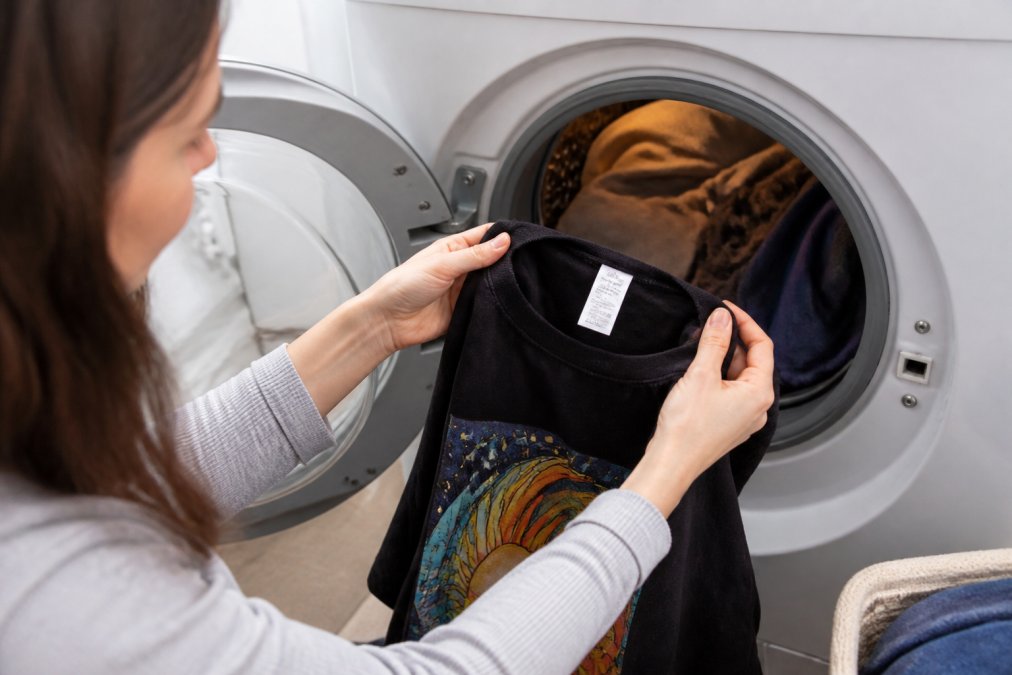
Wash in cold water using a gentle cycle. Hot water accelerates dye fading and can cause premature shrinkage even in pre-shrunk garments. Cold water preserves color vibrancy and protects fiber integrity. A gentle cycle reduces mechanical stress on seams and fabric structure.
Use mild detergent and avoid bleach entirely. Bleach weakens cotton fibers and can create yellowing or discoloration on printed areas. Mild detergent cleans effectively without the harsh chemicals that damage fabric over time. Skip fabric softener, it coats fibers and reduces breathability.
Dry on low heat or air dry. High heat accelerates fabric degradation and can damage print adhesive. Many graphic tees benefit from air drying, which eliminates heat damage entirely. If using a dryer, select the lowest heat setting and remove the shirt while still slightly damp to prevent over-drying.
Comfort, Breathability, and Longevity Benefits
High quality cotton shirts deliver comfort that synthetic alternatives cannot match. Comfort isn't merely subjective, it reflects measurable properties of the material and construction.
Cotton naturally wicks moisture away from skin, allowing sweat to evaporate rather than accumulate. This moisture-wicking property keeps you cooler and more comfortable throughout the day. Polyester traps moisture, creating a clammy feeling that many people find uncomfortable.
Sustainable and Ethical Considerations
Choosing high quality cotton shirts aligns with sustainable consumption practices. Buying fewer, better garments reduces textile waste significantly.
Frequently Asked Questions
How long does a high quality cotton shirt last compared to cheaper alternatives?
A premium high quality cotton shirt can last 3-5 years or longer with proper care, while lower-quality versions often show significant wear within 6-12 months. Long-staple cotton fibers are stronger and more resistant to pilling, fading, and fabric degradation. When you factor in how many times you'll wear the shirt, the cost-per-wear of quality cotton becomes substantially lower than buying multiple cheap replacements.
What should I look for when checking if a cotton shirt is truly high quality?
Look for long-staple cotton (Pima or Egyptian cotton) rather than short-staple varieties. Check the fabric weight in GSM (grams per square meter). Examine the seam construction, collar reinforcement, and shoulder tape. Read labels carefully to identify greenwashing claims like 'eco-friendly' without certification. Feel the hand-feel of the fabric; premium cotton should feel soft and smooth, not rough or thin.
Is 100% cotton really worth the extra cost over cotton-polyester blends?
Yes, when durability and comfort matter. Pure cotton breathes better, feels softer against skin, and maintains its shape longer than blended fabrics. Cotton-polyester blends can be cheaper but often pill more easily and lose their hand-feel faster. The extended lifespan and superior comfort of 100% cotton can justify the investment for everyday wear and pieces you'll keep for years.
How does proper washing protect my graphic tee investment?
Washing in cold water on a gentle cycle, turning the shirt inside out, and air-drying prevents print cracking and fading. Hot water and high heat break down both the cotton fibers and the ink bonds. Avoid bleach and excessive agitation. High quality cotton shirts with professional DTG or fade-resistant printing can maintain sharp, vivid graphics when cared for correctly, making the initial investment pay off over years of wear.