

Table of Contents
- Why Soft Cotton Matters for Sensitive Skin
- Key Features to Look for in Hypoallergenic Shirts
- Best Soft Cotton Shirts from Our Collection
- Organic Cotton Shirts for Eczema-Prone Skin
- How to Wash Shirts for Sensitive Skin
- Comparing Fabric Options: Cotton vs. Alternatives
- Which Shirt Should You Choose?
- Frequently Asked Questions
Last Updated: September 26, 2026
Finding the best soft cotton shirts for sensitive skin matters because your skin reacts to friction, synthetic fibers, and harsh seams.
Why Soft Cotton Matters for Sensitive Skin
Cotton breathes well and allows your skin to stay dry, while synthetic fabrics trap moisture and create friction that leads to irritation and rashes.
Medium-weight cotton (around 180 grams per square meter) offers the best balance, breathable yet substantial enough to hold its shape.
Natural cotton fibers also lack the chemicals found in synthetic blends. When your skin barrier is already compromised by eczema or psoriasis, avoiding additional irritants matters. Research from the American Academy of Dermatology confirms that natural fibers reduce allergic contact dermatitis compared to synthetic alternatives.
Key Features to Look for in Hypoallergenic Shirts
Not all cotton shirts are created equal. The construction details determine whether a shirt will feel comfortable or cause irritation.
Tagless Construction and Flat Seams
Neck labels and side seams are common friction points that aggravate sensitive skin. Tagless design removes the scratchy label, while flat seams sit flush against your skin instead of creating raised ridges that catch and irritate.
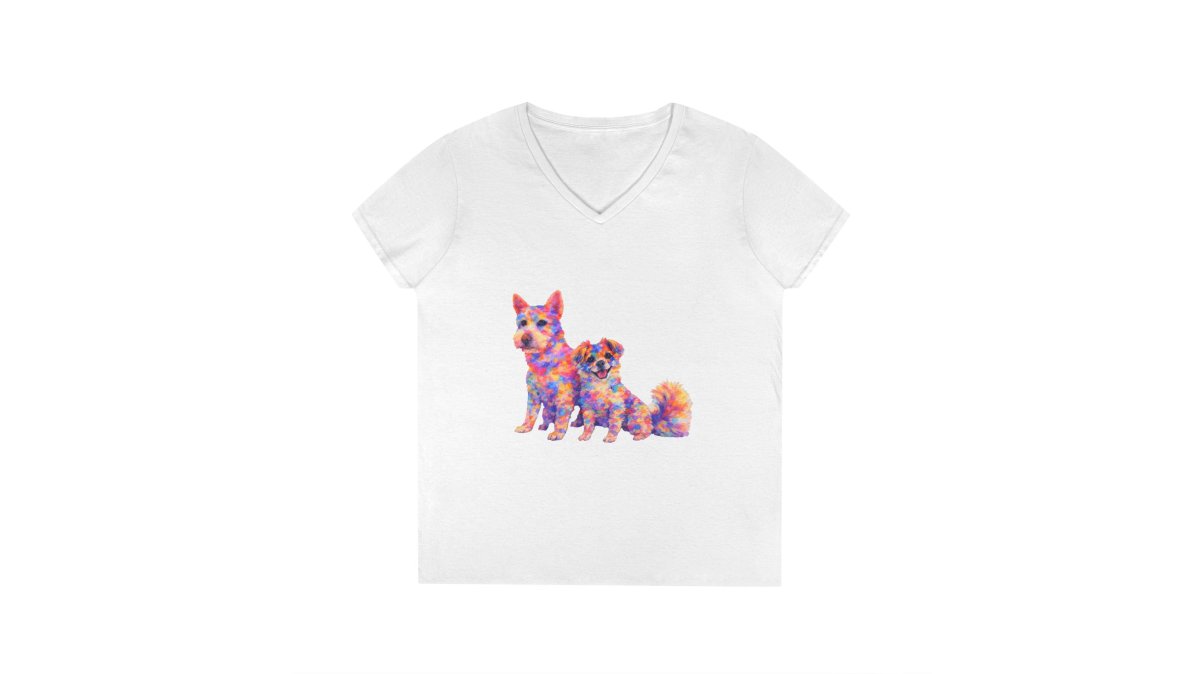
The Double Trouble V-Neck T-Shirt features a tear-away label, reinforced flat seams, and shoulder tape that stabilizes seams and prevents stretching.

Breathability and Moisture-Wicking Properties
Moisture-wicking keeps sweat from sitting against your skin, reducing heat rash and fungal irritation.
Cotton naturally wicks moisture better than polyester blends. The Ohana Tee uses 100% cotton with medium fabric weight for year-round comfort and moisture management.
Best Soft Cotton Shirts from Our Collection
Shine Bright Shirts offers several options specifically suited to sensitive skin needs. Each shirt prioritizes comfort through careful fabric selection and construction choices.
Double Trouble V-Neck T-Shirt: Comfort Without Irritation
The Double Trouble V-Neck T-Shirt is designed with sensitive skin in mind. Made from 100% cotton at a medium weight of 180 grams per square meter, this shirt balances breathability with durability.
Double-needle sleeve and bottom hems prevent unraveling, while the shoulder tape stabilizes seams and prevents stretching. The tear-away label eliminates the scratchy neck irritation that bothers people with sensitive skin.
The semi-fitted cut avoids both clinging and excessive looseness, finding the middle ground that works for most body types.
Ohana Tee: Soft, Breathable Cotton for Daily Wear
The Ohana Tee is crafted from 100% soft cotton with a medium fabric weight designed for any season. Care instructions specify cold water washing and low-heat drying, which protects the fabric and reduces shrinkage.
Monster's Night Out and Gorilla Heart V-Neck: Unisex Options
The Monster's Night Out and Gorilla Heart V-Neck Tee both offer unisex sizing and cotton construction, with crew neck and V-neck options to accommodate different neck sensitivities.

Both shirts use digital printing.
Organic Cotton Shirts for Eczema-Prone Skin
Organic cotton offers additional protection for severe skin sensitivity, but the decision depends on whether conventional cotton with careful construction meets your needs.
Chemical Processing in Conventional Cotton
Conventional cotton is treated with pesticides during growth and harsh chemicals during processing, including bleaching agents, formaldehyde-based resins, and softening agents that can irritate sensitive skin.
For mild sensitivity, these residues rarely cause problems with proper washing. For diagnosed eczema or psoriasis, even trace amounts can trigger flare-ups.
What Organic Cotton Certification Actually Means
Organic cotton is grown without synthetic pesticides and processed without harsh chemicals. The Global Organic Textile Standard (GOTS) is the most rigorous certification, verifying that the entire production chain avoided prohibited chemicals.
However, "organic" on a label doesn't always mean GOTS-certified. When shopping for organic cotton, look for GOTS certification specifically.
Cost-Benefit Analysis: When Organic Is Worth It
Organic cotton typically costs 20-40% more than conventional cotton. For mild sensitivity, this premium may not be justified, a well-constructed conventional cotton shirt with proper washing often works fine.
Organic cotton is worth the investment if you have diagnosed eczema or psoriasis that flares unpredictably or have tried multiple conventional cotton shirts with consistent irritation.
Evaluating Conventional Cotton as an Alternative
High-quality conventional cotton with careful construction can work as well as organic cotton for many people with sensitive skin. The key factors are:
Fabric weight and weave: A medium-weight cotton (around 180 grams per square meter) with a standard or jersey knit weave provides good breathability and softness. The weave structure matters more than whether the cotton is organic.
Construction details: Flat seams, tagless design, and double-needle hems eliminate friction points that trigger irritation and often matter more than the fiber source.
Washing protocol: Conventional cotton washed in cold water with hypoallergenic detergent and extra rinse cycles can perform as well as organic cotton.
Making the Decision
Start with a high-quality conventional cotton shirt with thoughtful construction (flat seams, tagless, appropriate weight). Follow cold-water washing guidelines with hypoallergenic detergent and extra rinse cycles, giving it 3-4 weeks to see how your skin responds.
How to Wash Shirts for Sensitive Skin
Washing habits matter as much as fabric choice. Chemical residue binds to cotton fibers and sits against your skin long after the rinse cycle ends.
Understanding Detergent Residue and Fiber Buildup
Standard laundry detergents contain surfactants, optical brighteners, and perfume compounds that don't always rinse away completely. On cotton, residual surfactants can coat the fiber and create a waxy barrier that traps moisture and irritates sensitive skin.
Cold Water and the Fiber Structure
Cold water (below 90°F or 32°C) keeps cotton fibers in a closed, compact state. Hot water opens the fiber structure, allowing detergent molecules to penetrate deeper and become trapped inside the fiber rather than rinsing away.
Detergent Quantity and Rinsing Cycles
Using half the recommended detergent amount still cleans your shirt but leaves less residue to rinse away. If you have severe eczema, consider running an extra rinse cycle.
Fabric Softener, Dryer Sheets, and Static Control
Fabric softener and dryer sheets coat fibers with silicone or wax-based compounds that reduce absorbency and trap sweat against your skin, triggering irritation or heat rash.
Bleach and Fiber Damage
Bleach breaks down the cellulose structure of cotton fibers, making them weaker and rougher. For sensitive skin, skip bleach entirely.
Drying Methods and Heat Damage
High heat from a dryer can damage cotton fibers and create stiffness that feels scratchy. Air drying or lay-flat drying preserves softness and prevents shrinkage. If you must use a dryer, use the lowest heat setting.
| Washing Step | Recommendation | Why It Matters for Sensitive Skin |
|---|---|---|
| Water temperature | Cold (max 90°F / 32°C) | Keeps fiber structure closed; prevents dye bleeding and residue embedding |
| Detergent amount | Half the bottle recommendation | Reduces residue that traps moisture and irritates skin |
| Detergent type | Hypoallergenic, fragrance-free | Eliminates perfume compounds and uses milder surfactants that rinse more completely |
| Extra rinse cycle | Yes, if possible | Removes residual detergent and mineral deposits |
| Fabric softener | Avoid | Coats fibers and reduces moisture-wicking absorbency |
| Bleach | Avoid | Damages fiber structure and creates rough spots |
| Drying method | Air dry or low heat | Preserves softness and prevents shrinkage |
Comparing Fabric Options: Cotton vs. Alternatives
Cotton outperforms most alternatives for sensitive skin, but understanding the differences helps you make informed choices.
Which Shirt Should You Choose?
Your choice depends on your specific skin condition and lifestyle.
Frequently Asked Questions
What is the softest fabric that is best for sensitive skin?
One hundred percent cotton is among the softest and most skin-friendly fabrics available. Organic cotton, which is grown without synthetic pesticides, offers additional benefits for sensitive skin because it has fewer chemical residues. High-quality cotton with a smooth weave and medium weight provides breathability without causing friction or irritation. Look for shirts with tagless construction and flat seams to eliminate common irritation triggers.
How should I wash shirts for sensitive skin to prevent irritation?
Use cold water (no hotter than 90°F) and select a gentle, fragrance-free detergent without dyes or optical brighteners. Avoid bleach and fabric softeners, which can irritate skin. Wash inside-out to reduce friction on printed designs. Air-dry or use low heat settings rather than tumble drying on high, which can damage fibers and create rough textures. Rinse thoroughly to remove all detergent residue that may linger and cause irritation.
Are tagless cotton t-shirts really better for sensitive skin?
Yes. Tagless cotton t-shirts eliminate the rough seams and labels that often irritate sensitive skin, particularly for people with eczema or dermatitis. Many quality shirts feature tear-away labels and reinforced flat seams that stay soft even after repeated washing. This design choice directly reduces friction and irritation points, making tagless options a practical choice for anyone with reactive skin.
Which is better for eczema: bamboo or cotton?
High-quality cotton is a good choice for sensitive skin. Bamboo fabric can be soft, but the processing methods sometimes leave chemical residues. For most people with eczema, breathable, medium-weight cotton construction provides reliable comfort.
How do I know if a shirt will irritate my sensitive skin before buying?
Look for these specific markers: 100% cotton, tagless or tear-away labels, flat or reinforced seams, medium fabric weight for breathability, and DTG (direct-to-garment) printing. Check care instructions to confirm the shirt can be washed in cold water without bleach. Read customer reviews mentioning comfort and durability through multiple washes. Many retailers offer returns if the fit or feel does not work for your skin.